

Which Cabin Air Filter Is Right for You?
If you regularly sit in heavy traffic surrounded by idling semis, drive through polluted areas of heavy smog or wildfire smoke, or suffer from seasonal allergies, replacing your cabin air filter is your best defence against poor air quality.
Dust, pollen, smoke, and strong odours can make driving an unpleasant experience once they take residence inside a vehicle. A cabin air filter helps improve interior air quality and the overall driving experience for you and your passengers. When it’s doing its job, the air is clean, cabin airflow is strong, and windows fog less frequently.
If you haven’t replaced your cabin air filter in over a year, take the time to choose a filter that is best for your driving conditions before replacing it. Learn about the differences between standard, activated carbon, biofunctional, and washable cabin air filters to find the right option for your vehicle and driving needs.
Types of Cabin Air Filter
- Standard Particulate or Pollen
Most standard cabin air filters use pleated, non-woven synthetic material formed into layered media. As air passes through the media, particles of dust, pollen, and debris are captured and prevented from entering the vehicle, offering reliable protection for drivers and passengers who suffer from seasonal allergies, especially when driving through farmland, forests, or other trigger areas.
- Activated Carbon
When compared to particulate or pollen filters, activated carbon cabin air filters provide an additional layer of protection against odours and harmful gases, like exhaust or engine fumes. Activated carbon, also known as activated charcoal, is embedded into or fused with the filter media. The sponge-like microscopic pores of activated carbon are highly effective at absorbing and neutralizing impurities from both liquids and gases, like those found in smoke.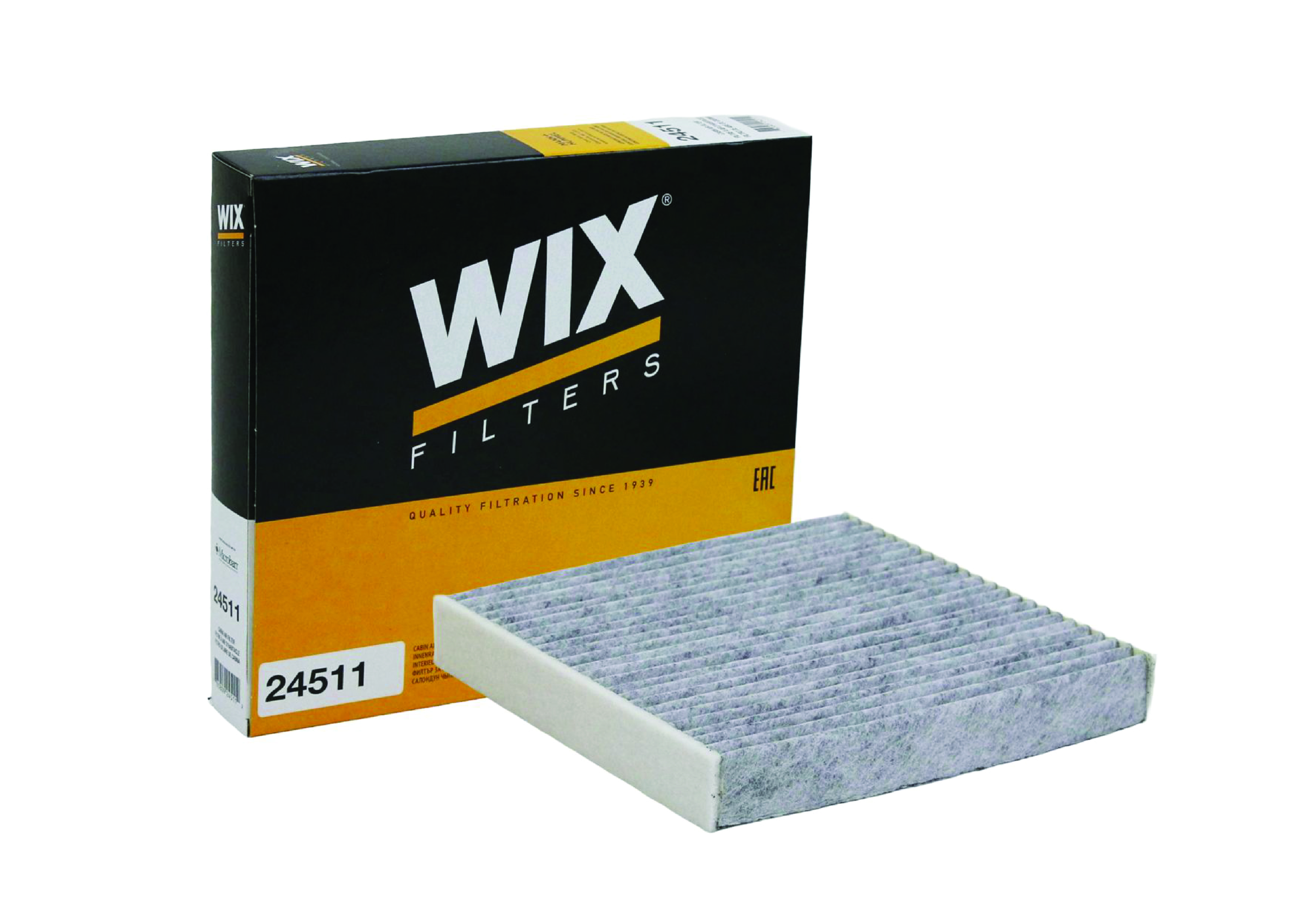
WIX, a popular filter brand, enhances its activated carbon air filters with Microban® antimicrobial technology to prevent the growth of mould and mildew on the filter media.
- Biofunctional
For extra protection, Hengst's biofunctional Blue.care+ filters capture “almost 100% of pollen, dust, bacteria, viruses, and unpleasant odours such as exhaust fumes out of the air”. In other words, fine particulate pollution measuring 2.5 micrometers or less in diameter, particulates invisible to the human eye.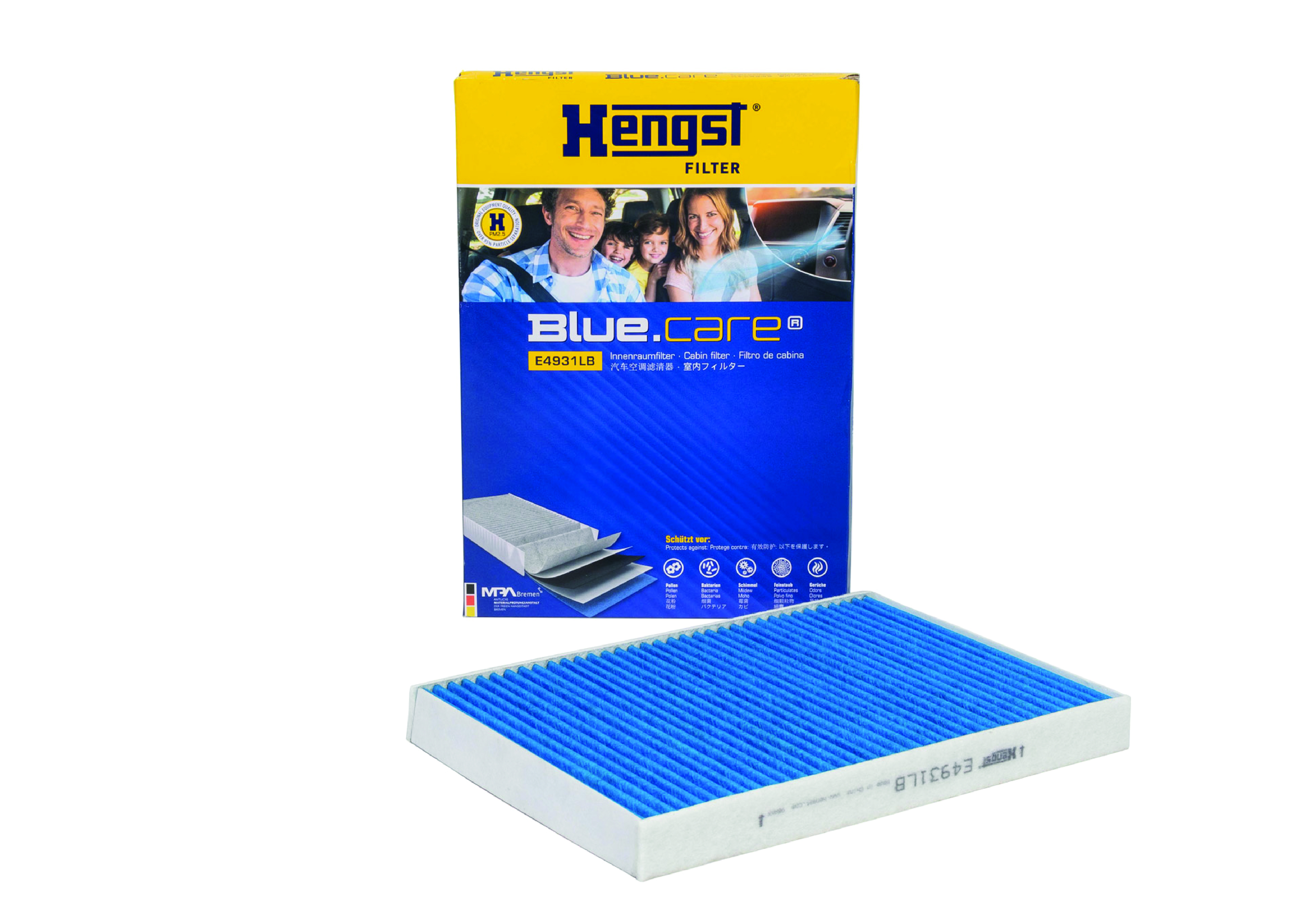
- Washable and Reusable
Washable and reusable cabin air filters perform the same function as standard filters while offering a more eco-friendly, long-term solution. Brands like K&N design lifetime filters that are easy to install, built to last, and backed by a no-hassle lifetime warranty.
The durable, non-woven synthetic media of these filters is often electrostatically charged to capture dust and airborne particles. Like other cabin air filters, reusable filters also control odours and trap contaminants. Although the upfront cost can be more, reusable filters can save you money over the long run. However, regular cleaning is required to maintain performance.
Finding a Cabin Air Filter that Fits
For the best cabin air filter performance, fit is essential. Search by year, make, and model to find filters made specifically for your vehicle.
OE (original equipment) cabin air filters are specifically engineered for a precise fit and performance. These premium aftermarket replacements meet original specifications for filtration and airflow and are another option to consider when choosing your cabin air filter.
Replacing and Installing a Cabin Air Filter
Installing a cabin air filter is typically quick, taking only a few minutes. Depending on your vehicle, the installation may require no tools or a screwdriver at most. Follow the manufacturer's directions to ensure proper installation.
To prevent airborne contaminants from entering your vehicle, replace the filter at the frequency recommended by your vehicle’s manufacturer, or at a minimum, once per year. Regular replacement ensures good air quality and the optimal performance of your HVAC system.
Taking Clean Cabin Air One Step Further
One-time use Odour eliminators are a great option for wiping out any unwanted odours lingering inside your vehicle from the old air cabin filter after it’s replaced. Air freshener sprays, like Meguiar’s Whole Car Air ReFreshers, fit in this category. Whole Car Air Refreshers are total-release deodorizing aerosol foggers, designed to remove the smell of cigarette smoke or wet dog and replace it with your choice of Sweet Summer Breeze, Eliminator Black Chrome, or the always favourite, New Car scent. 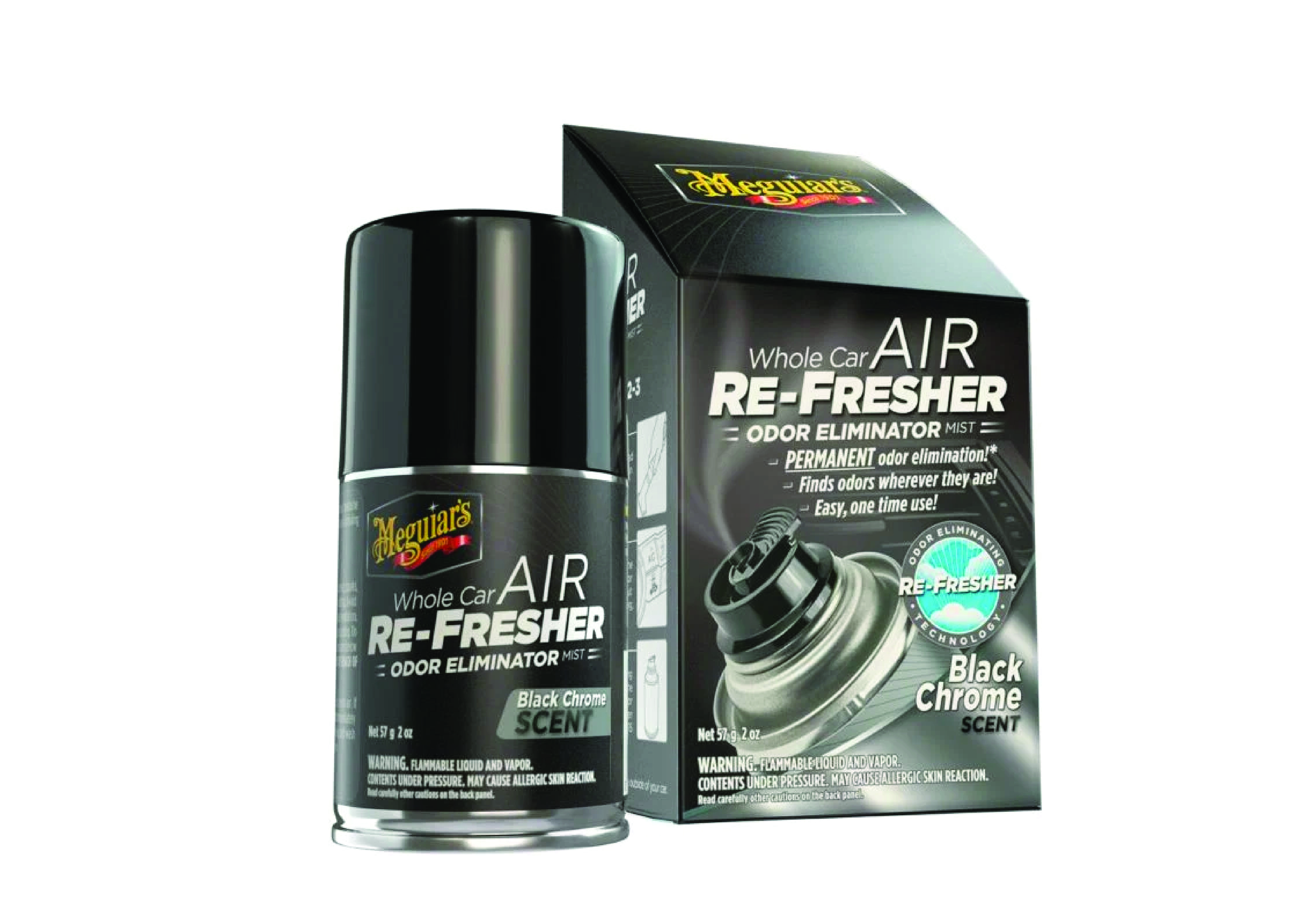
To use, start your car, close all windows, select the AC’s recirculation mode, and set the fan to high before you lock down the can’s nozzle and release its contents. Follow all manufacturers’ directions and let the deodorizer sit in the vehicle as recommended before removing. As an extra precaution, consider using a duct and vent cleaner to also remove any particles trapped between the HVAC system’s interior vents and exterior fresh air intake. Armor All Duct and Vent Cleaner is an easy and effective option.
For an instant mood booster, hang or clip a car air freshener inside your vehicle’s cabin. Relaxing lavender, sophisticated leather, or fun bubble gum are a few of the many scents available.
Cabin Air Filter FAQs
Deciding When to Replace a Cabin Air Filter
How often should I change the cabin air filter?
Follow the manufacturer's recommendation for determining how often to change your cabin filter. Generally, change your filter at least once a year. You may need to change it more frequently if you are driving in heavy traffic, polluted areas, or during wildfire season.
What happens if I don’t change my cabin air filter regularly?
If your cabin air filter remains clogged for a long period of time, it can cause costly damage to your HVAC system’s blower motor.
Should I change my cabin air filter and engine air filter at the same time?
Not necessarily. But replacing both the cabin air filter and the engine air filter at the same time is a good practice to ensure optimal vehicle performance and airflow.
How can I check if my cabin air filter is dirty?
Remove the air filter and do a visual check for dust and debris. If the filter appears dirty or smells bad, replace it. Likewise, if the filter hasn’t been replaced in over a year.
What will I notice inside my vehicle if my cabin air filter needs replacing?
If you notice the airflow from your vents seems reduced, you smell strong, bad odours in the cabin, or you see more dust accumulating in the cabin than usual, it may be time to change your filter. If you notice your interior windows are fogging frequently, this could also be a sign that the cabin filter is clogged and not effectively removing moisture from the air. Poor HVAC performance in general can be a sign that it is time to replace your cabin air filter.
Can a dirty cabin air filter affect my vehicle's AC unit or make it blow hot?
Yes. If your cabin air filter is dirty, it can restrict airflow and indirectly affect your HVAC's cooling performance.
Can a dirty cabin air filter cause my check engine light to display?
No. But a dirty cabin air filter can affect the performance of your HVAC system and make driving an uncomfortable experience.
Choosing a Cabin Air Filter
How can I easily find a cabin air filter that will fit my vehicle?
Search by your vehicle’s year, make, and model to check cabin air filter fitment. This ensures proper fit and optimal performance.
Which cabin air filter should I choose if my passengers or I have allergies?
Standard particulate, pollen, or biofunctional cabin air filters, specifically designed to trap pollen and other allergens, may be the best choice for those wanting to keep allergens from entering the vehicle.
Which cabin air filter is best for filtering smoke caused by wildfires?
Activated carbon or biofunctional filters are good options, as these filters absorb gas and liquid impurities found in smoke.
Changing Your Cabin Air Filter
How do I change my cabin air filter?
Most cabin air filters are situated behind the glove box. Follow your vehicle manufacturer's instructions for accessing and replacing the air filter. Make sure to install the new air filter in the same orientation as the previous filter, often indicated by an arrow printed on the filter frame.
Improving Cabin Air Quality
Are there other precautions I can take to improve the air quality inside my vehicle when driving?
Yes. Take steps to prevent outside air from entering your vehicle when driving through harmful environmental conditions. Close all windows, including sunroofs, and set your air conditioning system to recirculation mode. In this mode, your system will filter air from inside the vehicle rather than drawing in air from outside.
Cleaning and Reusing Cabin Air Filters
Can I clean my cabin air filter and re-use it?
Only if it is specially designated as washable. Otherwise, washing a standard air filter will damage it.
How should I clean lifetime reusable cabin air filters?
Use a manufacturer-approved cleaning spray and follow the instructions provided. For cleaning K&N's Lifetime Washable Cabin Air Filters, use the brand's recommended Cabin Filter Cleaning Care Refresher Kit.